


Why Construction Projects Fall Behind Schedule: 5 Workforce Problems Contractors Can Prevent
Why Construction Projects Fall Behind Schedule: 5 Workforce Problems Contractors Can Prevent
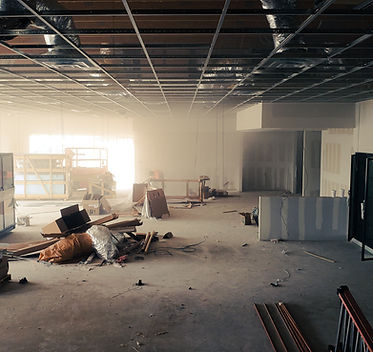
A construction project can have a detailed schedule, approved plans, and the right equipment on site, and still fall behind. One common reason is the workforce. When qualified workers are unavailable, key positions sit open, or crews aren't prepared, even a small staffing gap can ripple through trades that depend on each other.
For general contractors and project managers in Charlotte, NC, construction workforce planning belongs in project planning. The goal isn't just to hire more people. It's to have the right workers, qualifications, training, and coordination in place before the work begins. Here are five problems to catch early.
1. Waiting Too Long to Secure Skilled Workers
Schedules usually account for materials, inspections, and subcontractor milestones, but workforce needs get addressed late. Specialized trades often require specific experience, certifications, or licenses, and finding qualified candidates takes time.
What to do: Identify required trades and headcount by phase during planning, confirm credentials, start recruiting before mobilization, and set a backup plan for hard-to-fill roles.
2. Underestimating the Skills the Job Requires
Enough people on site doesn't mean the right people. Each worker must be matched to work they are qualified and authorized to perform. When skills and assignments don't line up, contractors end up reshuffling duties, adding training, or recruiting again.
What to do: Write clear job descriptions for every trade, separate entry-level from experienced roles, verify licenses and documented experience, and match assignments to demonstrated qualifications.
3. Overlooking Workforce Readiness and Job-Site Safety
Technical skill matters, but so do communication, accountability, and an understanding of safety expectations. When expectations aren't clear, teams face avoidable confusion, interruptions, and safety concerns.
What to do: Cover site rules and reporting procedures during onboarding, confirm required safety training for each assignment, define supervisor and worker responsibilities, and close readiness gaps before assigning tasks.
4. Failing to Coordinate Labor With the Project Schedule
Construction is full of dependencies. An electrical crew needs an area ready before installation, and several trades may need the same space. When labor scheduling doesn't follow the project sequence, the result is idle time, crowded work areas, and rescheduling. Adding workers alone won't fix it.
What to do: Map workforce needs to the schedule, align assignments with subcontractor milestones, review staffing in regular project meetings, and communicate schedule changes early.
5. Treating Every Project as a New Hiring Challenge
Contractors who rely on last-minute recruiting face the same problem with every new project. A longer-term strategy helps you identify recurring labor needs, keep relationships with talent sources, and develop entry-level workers into skilled professionals. Apprenticeships combine classroom instruction with on-the-job training under appropriate supervision, which makes them one way to build that pipeline.
What to do: Identify the trades you struggle to recruit, build relationships with workforce development organizations, explore apprenticeship partnerships, and plan for needs across multiple projects.
Quick Checklist Before Mobilizing
Have we identified every trade and position, and the headcount per phase?
Did recruiting start early enough?
Have we verified licenses, certifications, and experience?
Are onboarding, safety training, and supervision in place?
Are labor schedules aligned with project milestones?
Do we have a contingency plan and a plan for future projects?
How RHC Workforce Solutions Can Help
RHC Workforce Solutions works with organizations on talent acquisition, workforce management, training, and workforce development. Depending on your project's needs, these services can be part of a broader strategy for meeting labor needs and developing future talent.
Planning a construction project in Charlotte or the surrounding region? Contact RHC to talk through your staffing requirements and workforce development goals.
Website: rhcworkforcesolutions.comPhone: 980-999-3082Email: Info@rhcworkforcesolutions.com
The right workforce plan starts before the work begins.
--
_____________________________________________
Christina (Chris) Jarrett CEO, RHC Workforce Solutions Direct: 980-999-3082
‘Workforce Development and Global Talent Acquisition Experts'
Comments